
Brain Food: Complete Feature Guide
Discover how targeted nutrition transforms your cognitive performance. Our comprehensive approach covers every aspect of optimising your diet for sustained mental clarity, focus and energy throughout the day.
Cognitive Function Optimisation
Learn which nutrients directly support memory, concentration and mental processing speed. We guide you through the science of how specific foods enhance neurotransmitter production and protect brain cells from oxidative stress.
Meal Planning Framework
Structured guidance on building balanced meals that stabilise blood sugar and maintain steady energy levels. Discover timing strategies that prevent afternoon cognitive slumps and support consistent mental performance throughout your working day.
Key Nutrients Deep Dive
Comprehensive information on omega-3 fatty acids, antioxidants, B-vitamins and minerals essential for brain health. Understand food sources, absorption factors and dietary patterns that ensure you're meeting your nutritional needs consistently.
Evidence-Based Research
Access peer-reviewed nutritional science applied to real-world settings. We translate complex research into practical dietary recommendations, helping you understand the mechanism behind why certain foods support better focus and mental endurance.
Progress Tracking Guide
Learn how to monitor your own cognitive improvements through simple observation techniques. Track energy levels, focus duration, mental clarity and overall productivity to identify which dietary adjustments deliver the best personal results.
Practical Lifestyle Integration
Realistic strategies for implementing brain-supporting nutrition within your current routine. Whether you work in an office, study, run a business or manage a household, discover how to maintain consistent healthy eating habits that fit your lifestyle.
How Nutrition Impacts Your Brain Performance
Your brain consumes approximately 20% of your body's daily energy despite representing only 2% of body weight. This extraordinary demand means the foods you consume directly influence your mental performance, emotional regulation and cognitive capacity.
When you provide consistent, nutrient-dense fuel, your brain operates at optimal efficiency. Cells communicate more effectively, neurotransmitters are produced adequately and protective mechanisms against mental fatigue strengthen. Conversely, poor nutritional choices lead to energy crashes, reduced concentration and diminished mental clarity.
The relationship between food and brain function operates on both immediate and long-term timescales. A specific meal can enhance your focus within hours, whilst consistent dietary patterns reshape your baseline cognitive capacity over weeks and months.
Read Full Article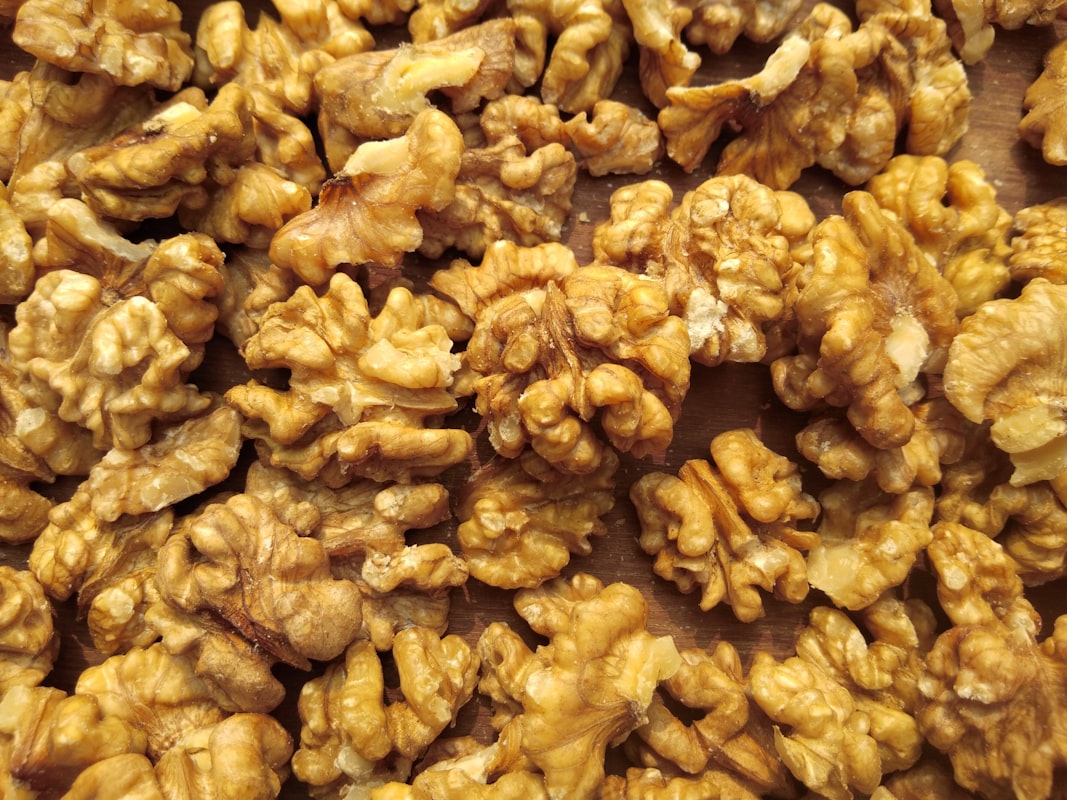
Five-Step Guide to Optimising Brain Nutrition
A structured approach to building a diet that supports sustained mental performance and focus. Follow these steps to transform your cognitive capacity through strategic nutrition.
Assess Your Current Intake
Begin by honestly evaluating what you currently eat. Track your meals for three days, noting your energy patterns and focus quality after different foods. Identify which foods correlate with clear thinking versus mental fatigue.
Identify Key Nutrient Gaps
Compare your intake against essential brain nutrients: omega-3 fatty acids, B vitamins, antioxidants and minerals. Look for obvious gaps—perhaps you rarely eat fish, nuts, leafy greens or whole grains. These gaps directly affect cognitive performance.
Plan Strategic Additions
Rather than overhauling your entire diet, add specific foods that address identified gaps. Introduce one or two new brain-supporting foods each week—berries, fatty fish, nuts, whole grains or dark leafy vegetables—building gradually.
Optimise Meal Timing
Structure your meals to maintain stable blood sugar and consistent mental energy. Eat balanced combinations of protein, healthy fats and complex carbohydrates. Time larger meals before demanding cognitive tasks and lighter meals during lower-energy periods.
Monitor and Refine
Track how your mental clarity, focus duration and energy levels respond to dietary changes over four to six weeks. Notice which foods deliver the most noticeable cognitive benefits for you personally. Adjust based on real results from your own experience.
Brain-Boosting Foods and Ingredients
Explore the most effective nutrient-dense foods that support cognitive function, mental clarity and sustained focus. Each category provides specific benefits for brain performance.

Fatty Fish & Omega-3 Sources
Salmon, mackerel, sardines and trout contain DHA and EPA—crucial for brain cell structure and communication. These omega-3 fatty acids reduce cognitive decline and support memory formation. Plant-based alternatives include flaxseeds, chia seeds and walnuts.

Berries & Antioxidant Fruits
Blueberries, blackberries, strawberries and dark grapes contain anthocyanins and resveratrol. These compounds protect brain cells from oxidative stress and inflammation whilst enhancing memory and processing speed. Include them daily for sustained cognitive benefits.

Leafy Greens & Vegetables
Spinach, kale, broccoli and other green vegetables provide folate, vitamins K and C essential for cognitive function. The high mineral content supports neurotransmitter production. Include at least one serving with lunch and dinner for consistent benefits.

Nuts, Seeds & Healthy Fats
Almonds, walnuts, pumpkin seeds and sunflower seeds deliver vitamin E, magnesium and healthy fats critical for brain protection. Consume a small handful as a snack or sprinkle over meals to maintain steady energy and support focus throughout your day.

Whole Grains & Complex Carbs
Oats, quinoa, brown rice and whole wheat provide glucose for sustained energy plus B vitamins for neurotransmitter synthesis. These foods stabilise blood sugar, preventing the energy crashes that impair concentration and mental clarity throughout the day.

Protein Sources & Amino Acids
Eggs, Greek yogurt, beans, lentils and lean meats provide amino acids essential for producing dopamine and serotonin. Adequate protein intake supports focus, motivation and mood regulation. Include protein at every meal for optimal cognitive function.
Frequently Asked Questions
Common questions about nutrition and cognitive performance answered by our editorial team.
How long does it take to notice improvements in focus?
Many people report improved concentration within three to five days of implementing dietary changes, particularly when eliminating blood sugar crashes. However, more significant cognitive improvements typically emerge over four to eight weeks as your brain accumulates key nutrients and your body adjusts to consistent healthy eating patterns.
Can I support my brain on a vegetarian or vegan diet?
Absolutely. Plant-based diets can fully support brain function through careful food selection. Focus on combining legumes with whole grains for complete amino acids, include abundant nuts and seeds for healthy fats, eat plenty of leafy greens and colourful vegetables, and consider algae-based sources for omega-3 fatty acids. Strategic planning ensures you meet all nutritional needs.
Does caffeine actually improve focus or just create a false sense of alertness?
Caffeine genuinely enhances attention and processing speed by blocking adenosine receptors and increasing dopamine availability. However, effects vary individually and diminish with tolerance. Moderate consumption (200-400mg daily for most adults) during focus-demanding tasks delivers real cognitive benefits without the energy crashes associated with excessive intake or afternoon consumption.
What role does hydration play in mental clarity?
Hydration profoundly impacts cognitive function. Even mild dehydration reduces mental processing speed, impairs concentration and increases mental fatigue. Your brain is approximately 75% water, so maintaining consistent fluid intake throughout the day is essential. Aim for approximately eight glasses of water daily, adjusting based on activity level and climate.
Are there specific foods to avoid if I want to maintain focus?
Foods with high refined sugar and refined carbohydrates cause rapid blood sugar spikes followed by crashes that severely impair concentration. Highly processed foods often lack the micronutrients your brain needs. However, complete avoidance isn't necessary—moderation and balance matter most. Understanding how different foods affect your personal focus helps you make informed choices.
Can nutrition alone solve focus problems or is additional support needed?
Nutrition forms a crucial foundation for cognitive performance, but works alongside sleep quality, stress management, physical exercise and mental health. If you've optimised your diet and lifestyle yet experience persistent focus difficulties, this may warrant consultation with a healthcare provider to explore other factors. Nutrition is powerful, but it's one component of overall brain health.
Brain Food Benefits Comparison
Understand how different nutritional approaches impact your cognitive performance and mental clarity.
| Nutritional Element | Primary Brain Benefits | Key Food Sources | Optimal Frequency |
|---|---|---|---|
| Omega-3 Fatty Acids | Memory formation, brain cell protection, reduced inflammation | Fatty fish, walnuts, flaxseeds, chia seeds | 3-4 times weekly |
| Antioxidants | Cell protection, cognitive longevity, processing speed | Berries, dark chocolate, green tea, colourful vegetables | Daily |
| B Vitamins | Neurotransmitter synthesis, energy production, focus support | Whole grains, eggs, legumes, leafy greens | Daily |
| Magnesium | Stress reduction, sleep quality, mental clarity | Nuts, seeds, leafy greens, whole grains | Daily |
| Protein & Amino Acids | Dopamine production, motivation, sustained focus | Eggs, fish, legumes, yogurt, lean meats | With every meal |
Practical Integration Tips
Realistic strategies for building brain-supporting nutrition habits into your daily routine without excessive complexity or disruption.
Start with Breakfast
A brain-supporting breakfast determines your cognitive baseline for the entire day. Include protein, healthy fats and complex carbohydrates. Examples: eggs with whole-grain toast and berries, or oatmeal with nuts and fruit. This single meal dramatically impacts afternoon focus
Hydrate Consistently
Dehydration impairs cognitive function within minutes. Aim for half your body weight in ounces of water daily, plus extra during exercise or warm weather. Keep a water bottle visible and sip regularly throughout the day. Proper hydration enhances memory, focus, and mental clarity.
Time Your Meals Strategically
Eating every 3-4 hours stabilizes blood sugar and prevents energy crashes. Schedule meals and snacks to align with your peak focus windows. Avoid heavy meals before important cognitive tasks—opt for lighter options that digest quickly and provide sustained energy.
Add Brain-Boosting Supplements
Consider evidence-backed supplements like omega-3s, B vitamins, magnesium, and L-theanine. These support neurotransmitter production and neural protection. Always consult a healthcare provider before starting any supplement regimen to ensure it aligns with your individual needs.
What Our Users Say
Join thousands who've transformed their cognitive performance with Nutritionmindlink.
"I noticed improvements in my concentration within two weeks. The meal plans are practical and delicious. Highly recommend!"
Sarah M.
Student
"Finally, an app that connects nutrition with mental clarity. My productivity has skyrocketed, and I feel sharper than ever."
James K.
Entrepreneur
"The personalized nutrition advice has been a game-changer. I'm sleeping better, thinking clearer, and have more energy throughout the day."
Emma L.
Professional
Frequently Asked Questions
Get answers to common questions about nutrition and cognitive health.
How quickly will I see results?
Most users report noticeable improvements in focus and energy within 7-14 days. Sustained cognitive enhancement typically develops over 4-8 weeks as your body adapts to optimized nutrition. Consistency is key—the more you follow personalized recommendations, the better your results.
Can I use Nutritionmindlink with dietary restrictions?
Absolutely. Our platform supports vegan, vegetarian, keto, gluten-free, and numerous other dietary preferences. You can customize meal plans and supplement suggestions to align with your dietary requirements while maintaining full cognitive support benefits.
Is personalized advice available?
Yes. Our platform combines AI-driven recommendations with expert nutritionist consultation. You can chat with certified professionals who review your goals, health history, and lifestyle to provide tailored guidance that goes beyond generic advice.
What if I don't see results?
We stand behind our service with a 30-day money-back guarantee. If you're not satisfied with your experience, contact our support team for a full refund—no questions asked. We're confident in the science and results our users achieve.
How secure is my personal data?
Your privacy is our top priority. All personal and health data is encrypted with industry-standard security protocols. We comply with HIPAA and GDPR regulations, and we never share your information with third parties without explicit consent.
Ready to Unlock Your Cognitive Potential?
Join thousands of users who've transformed their mental clarity, focus, and energy with science-backed nutrition guidance. Start your free trial today and experience the difference that personalized nutrition can make.
No credit card required. Access all features for 14 days.